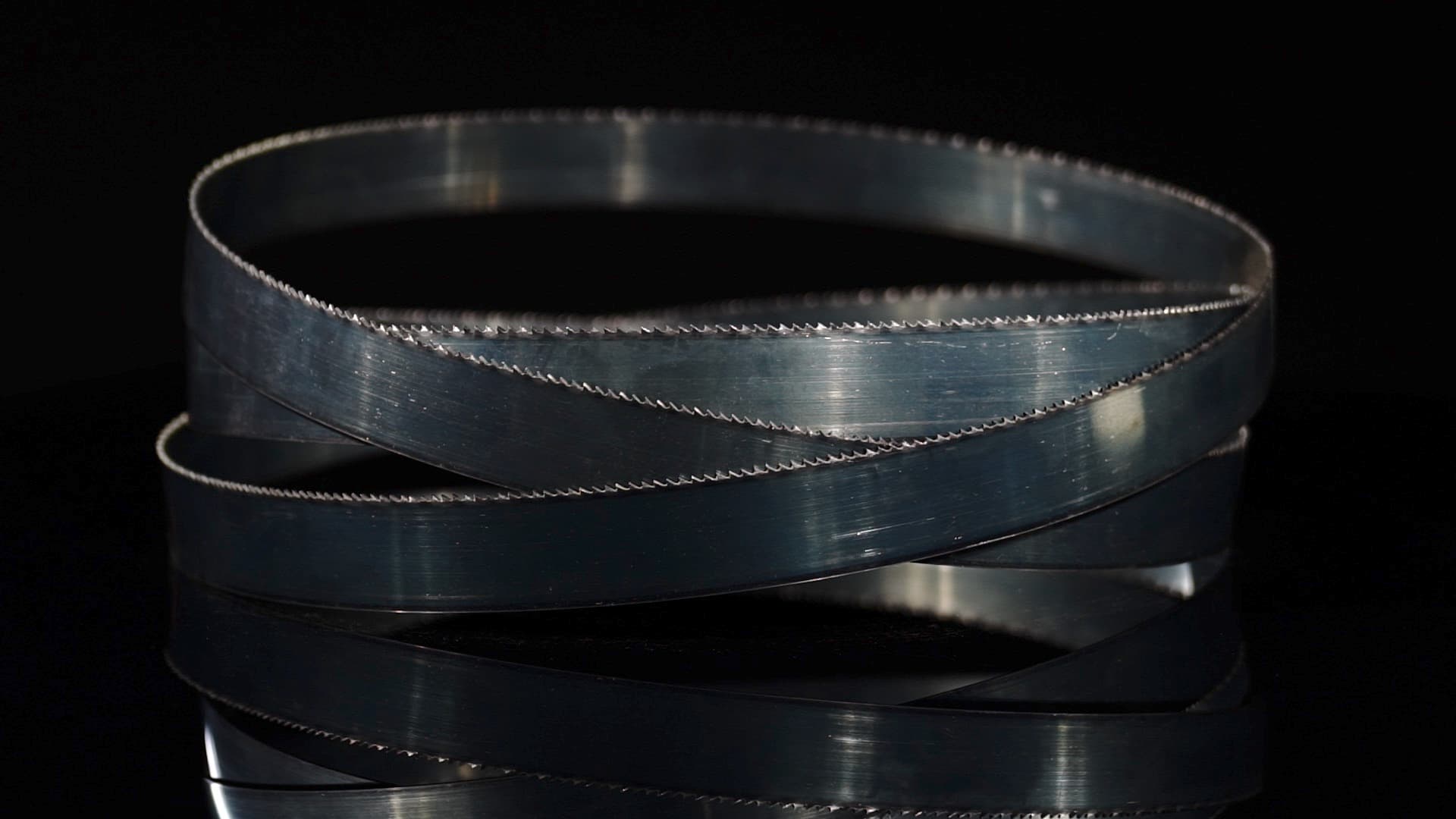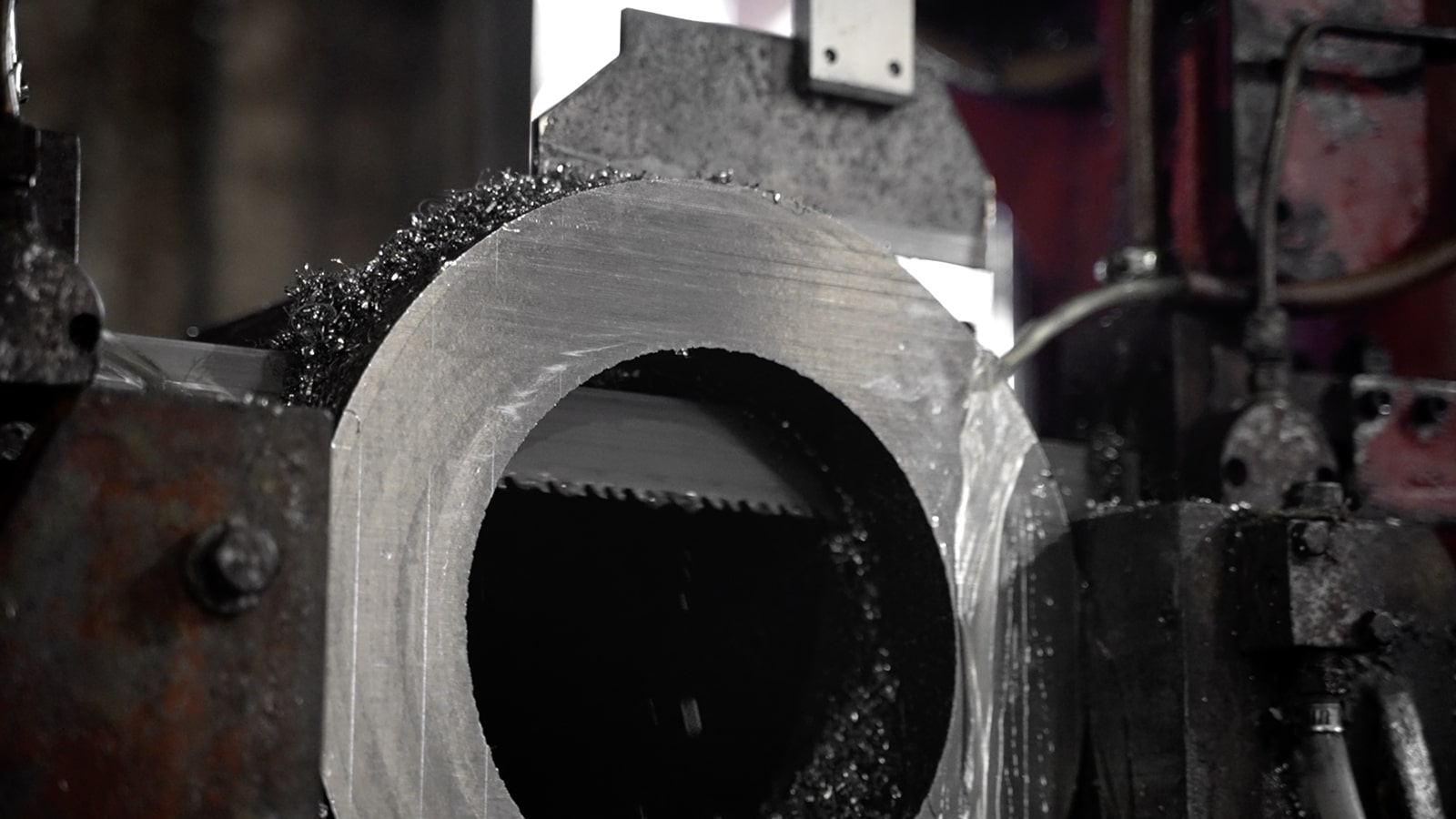
Gullet cracks are one of the most damaging and progressive failures a bandsaw blade can experience. Although the cracks appear in the blade itself, they rarely originate from the blade’s construction—instead, they most often come from machine setup, alignment, tensioning, and operating conditions.
When guide arms are too far apart, guides are overtightened, alignment is off, or tension and feed pressure exceed safe cutting parameters, stress builds at the base of the tooth (the gullet). Over time, this stress forms cracks that grow and eventually cause blade failure. Incorrect coolant flow, wheels in poor condition, or running the saw too long without rest can accelerate the problem.
Understanding what contributes to gullet cracking allows operators to correct issues before they become costly. Below is a breakdown of the most common machine-related factors to monitor.
Most Frequent Causes of Gullet Cracking
Most Common Machine-Related Causes of Gullet Cracking
The following points represent the most frequent conditions that lead to gullet fatigue and cracking. Review them regularly to maintain optimal blade performance.
1) Straightness of band
2) Guides too tight
3) Tension too high
4) Feed rate too heavy
5) Coolant flow too low
6) Coolant mixture incorrect
7) Guide arms misaligned
8) Feed pressure too high
9) Wheel damaged, worn, or dirty
10) Speed set too fast
11) Saw run for extended periods without rest
12) Bad or worn wheel bearings
13) Poor guide-to-wheel alignment
Maintaining proper setup, tension, coolant delivery, and alignment is key to preventing gullet cracks. Small adjustments early on often prevent costly blade failure later.
For troubleshooting help or setup guidance, call Sawblade.com at 800-754-6920. Our support team is ready to assist.